Make iced coffee with your pour over
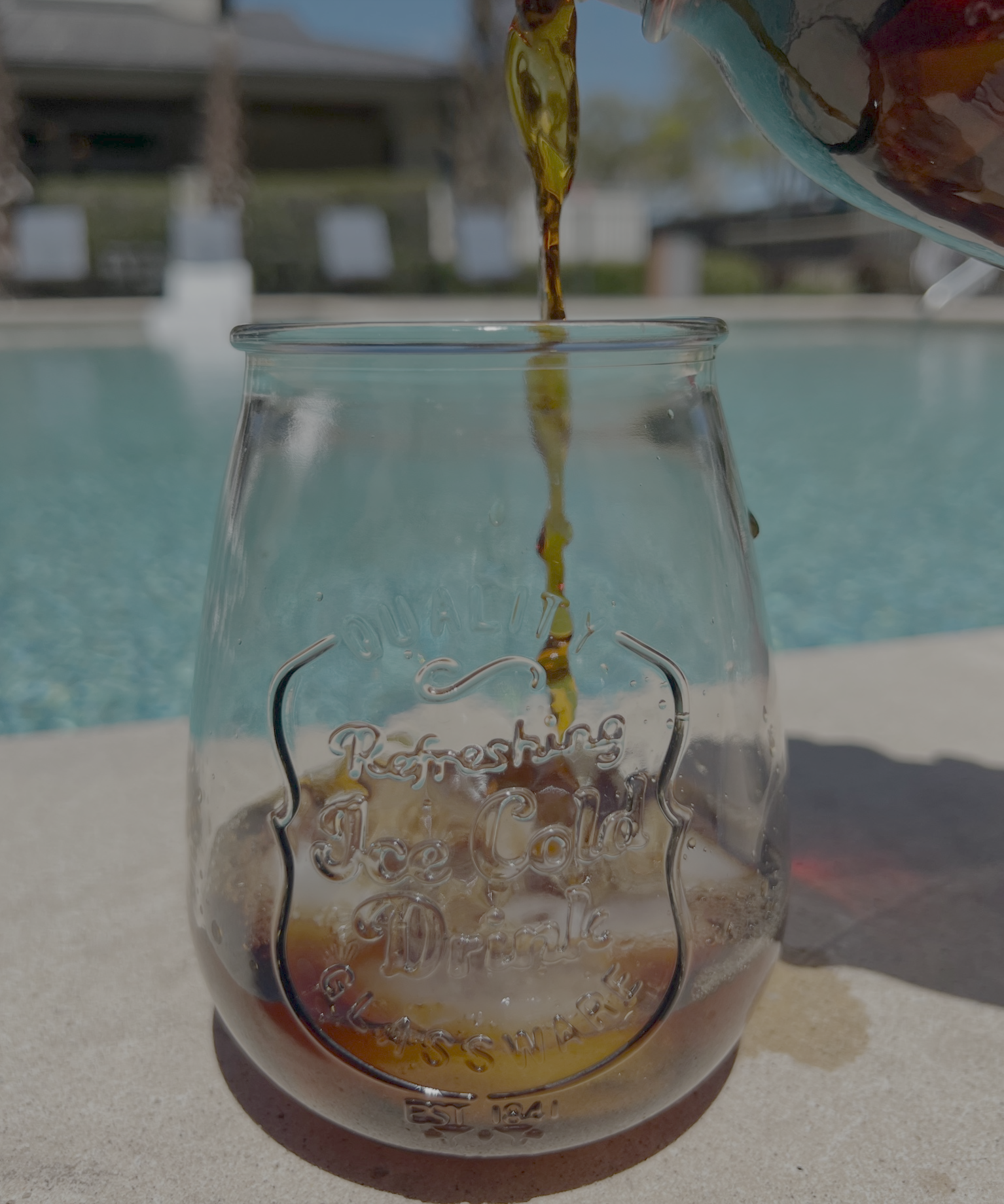
Love cold brew but don’t have any ready to go?
When you don’t have 8-12 hours to wait for cold brew, you can make excellent iced coffee with a pour over method.
Cold brew is my favorite kind of coffee all year around. It’s smooth, low acid, and ready in the fridge when I wake up — no sleepy brewing involved. But it’s not always an option. Sometimes I —gasp— let it run out before making a new batch. And sometimes I don’t have the right tools on hand to prep and steep the brew. When that happens, I turn to the pourover brewer and add ice.
With a little research and experimentation, I’ve found I can make an excellent iced coffee using a pour over. It takes a different approach, but it’s simple and flexible. As long as you have access to a brewer, ground coffee, hot water and ice, you’ve got what you need.
Iced coffee vs. cold brew: What’s the difference?
But frst—what’s the difference between iced coffee and cold brew?
Cold brew is made by steeping coarse coffee grounds in cold or room temperature water for an extended period—usually 8-12 hours. The key here is that you don’t introduce heat and the coffee is extracted slowly from the grounds. Without the heat, you’ll extract fewer acidic properties of the grounds. This process produces a mellow, rounded cup with low acidity and a heavier body.
Iced coffee, on the other hand, is hot coffee that’s brewed quickly and then cooled down, often by pouring it over ice. Because it’s brewed hot, it retains more of the coffee’s acidity and aromatic complexity. When done well, iced coffee is vibrant and expressive—more like a chilled version of your favorite hot cup.
The challenge? Ice melts and changes the composition and flavor of the coffee. If you don’t account for that, your iced coffee will taste thin and watered down.
The key principle: Brew stronger, not longer
While there are several methods for turning hot coffee into iced coffee, the one that produces the best flavor in the shortest time is to brew directly over ice using less hot water. Sometimes referred to as Japanese flash brew, you’re basically cooling the hot coffee on contact with the ice but without introducing extra water.
When making iced coffee with this method, the goal is not to change the usual pourover process so much as to adjust the ratio of water to coffee so that the melting ice becomes part of the final dilution.
So, you’re not just brewing coffee—you’re brewing a concentrate. The melting ice provides the right amount of water to balance the brew.
A simple ratio to start
According to one expert, you can start by replacing 40 percent of your brewing water with ice. That means “for 12 ounces of iced coffee (which is quite a bit!), you’re going to use 25 grams of medium-finely ground coffee, 250 grams of hot water (between 205°F and boiling), and 150 grams of ice in the decanter that you’re brewing into.”
Too strong? Another reliable formula is the 1:10 formula.
1:10 brew ratio (coffee to hot water)
Plus an equal weight of ice in the carafe
For example:
30g coffee
300g hot water
300g ice
This gives you a final dilution closer to a standard 1:15–1:17 ratio once the ice melts.
Use a scale for best results! If you’re a coffee lover, you probably already use a scale to weigh your coffee and your water. That’s the best way to ensure you get a consistently great brew.
Step-by-Step: Iced Pour-Over with a Chemex
1. Prep your ice and brewer
Grab your brewer and place your cup, Chemex or other vessel on the scale. Add the ice in the amount you want. The hot coffee will drip directly onto the ice, cooling instantly and preserving those floral notes that hot water is so good at extracting.
Rinse your CoffeeSock filter thoroughly with hot water and discard the rinse water (don’t pour it onto the ice).
2. Use a medium-fine grind
Unlike cold brew, which uses coarse-ground coffee to extract over several hours, pour over uses a medium grind. But, because you’re using less hot water than standard pourover, you’ll want to go even finer so you can extract efficiently. A slightly finer grind than your standard pour-over setting helps ensure you don’t under-extract.
Think: medium-fine rather than medium.
3. Bloom the grounds
Add your ground coffee and bring your water to boil. Then start your bloom. Pour just enough water right off the boil over the grounds to wet them. Then let it sit for 30–45 seconds.
This step is even more important here because you have less total water to work with—proper blooming ensures even extraction.
4. Pour the remaining water slowly
Continue pouring slowly and steadily, pausing as the water fills the brewer, until you’ve reached the total intended weight or you;ve used all of your pre-measured water.
Because the brew volume is smaller, pacing matters. Aim for a total brew time of two to three minutes. If it runs too fast, your coffee may taste sharp or hollow; too slow, and it can become bitter.
5. Let the ice work its magic
As the hot coffee drips onto the ice, it will melt and chill simultaneously. Give the ice and coffee a gentle swirl at the end to ensure everything is evenly mixed.
Taste it. You should have a balanced, cold cup—refreshing, and not diluted.
Dialing it in
This method is simple, but small tweaks can make a big difference:
Too weak? Use more coffee or slightly less ice.
Too strong? Add a bit more ice or a splash of cold water after brewing.
Too acidic? Try a slightly coarser grind or a darker roast.
Too flat? Use fresher beans or pour a bit more aggressively to increase extraction.
Add ins for your perfect beverage
I love a no-frills cold coffee without sugar or milk—usually. But sometimes I need a treat and add drops of vanilla or maple syrup to the ice to blend with the beverage as it brews. I also enjoy adding fresh orange slices to my brew after it’s ready. It’s surprisingly delicious!
You can add a cinnamon stick, simple syrup, melting chocolate and more. Experiment with your favorite flavors and milks!
Why this method works
The brilliance of iced pour-over is in how it captures the best of both worlds:
The clarity and complexity of hot brewing
The refreshment and immediacy of iced coffee
By simply reducing the hot brew water and letting ice handle the rest, you preserve strength and flavor without overcomplicating the process.
Cold brew is my forever love and still my top choice when I plan ahead. But when I don’t? A thoughtfully brewed iced pour-over can be just as satisfying.
And best of all, it’s ready in minutes.