Flower Phases
So many things flower. An iris, an orchid, an idea, a human. From seed to bud, then opening and full bloom. Even in dying, flowering leaves its gifts—a fruit, a new seed, a memory, a compost that enriches all it covers.
In spring, when the world has burst into flower, it’s a small, simple exercise to slow down and notice the phases. A mental note will do, but feel free to be more ambitious and take a few photos or place specimens in makeshift vases around the house.

So many things flower. An iris, an orchid, an idea, a human. From seed to bud, then opening and full bloom. Even in dying, flowering leaves its gifts—a fruit, a new seed, a memory, a compost that enriches all it covers.
In spring, when the world has burst into flower, it’s a small, simple exercise to slow down and notice the phases. A mental note will do, but feel free to be more ambitious and take a few photos or place specimens in makeshift vases around the house.
Flowers have taking phases and giving phases. Every one has something to offer. And it’s a gift to apply that to our own lives. This day or week or decade, whatever it brings, has something to offer.
Words that nurture. Words that grow.
In his book-length letter to his mother, On Earth We’re Briefly Gorgeous, Ocean Vuong asks a profound question about the language that nurtures creativity:
“But why can't the language for creativity be the language of regeneration? You killed that poem, we say. You're a killer. You came into that novel guns blazing. I am hammering this paragraph, I am banging them out, we say…”
And yeah, why is that?

In his book-length letter to his mother, On Earth We’re Briefly Gorgeous, Ocean Vuong asks a profound question about the language that nurtures creativity:
But why can't the language for creativity be the language of regeneration? You killed that poem, we say. You're a killer. You came into that novel guns blazing. I am hammering this paragraph, I am banging them out, we say. I owned that workshop. I shut it down. I crushed them. We smashed the competition. I'm wrestling with the muse. The state, where people live, is a battleground state. The audience a target audience. "Good for you, man" a man once said to me at a party, "you're making a killing with poetry. You're knockin' em dead.”
And yeah, why is that?
In slow contemplations about nurture this Mother’s Day, I offer the following alternatives and invite your to come up with a few of your own.
“I am building this, raising high the roof beams.” “I am learning from the muse.” “You are giving it life.” “Look at you, lighting up the world.”
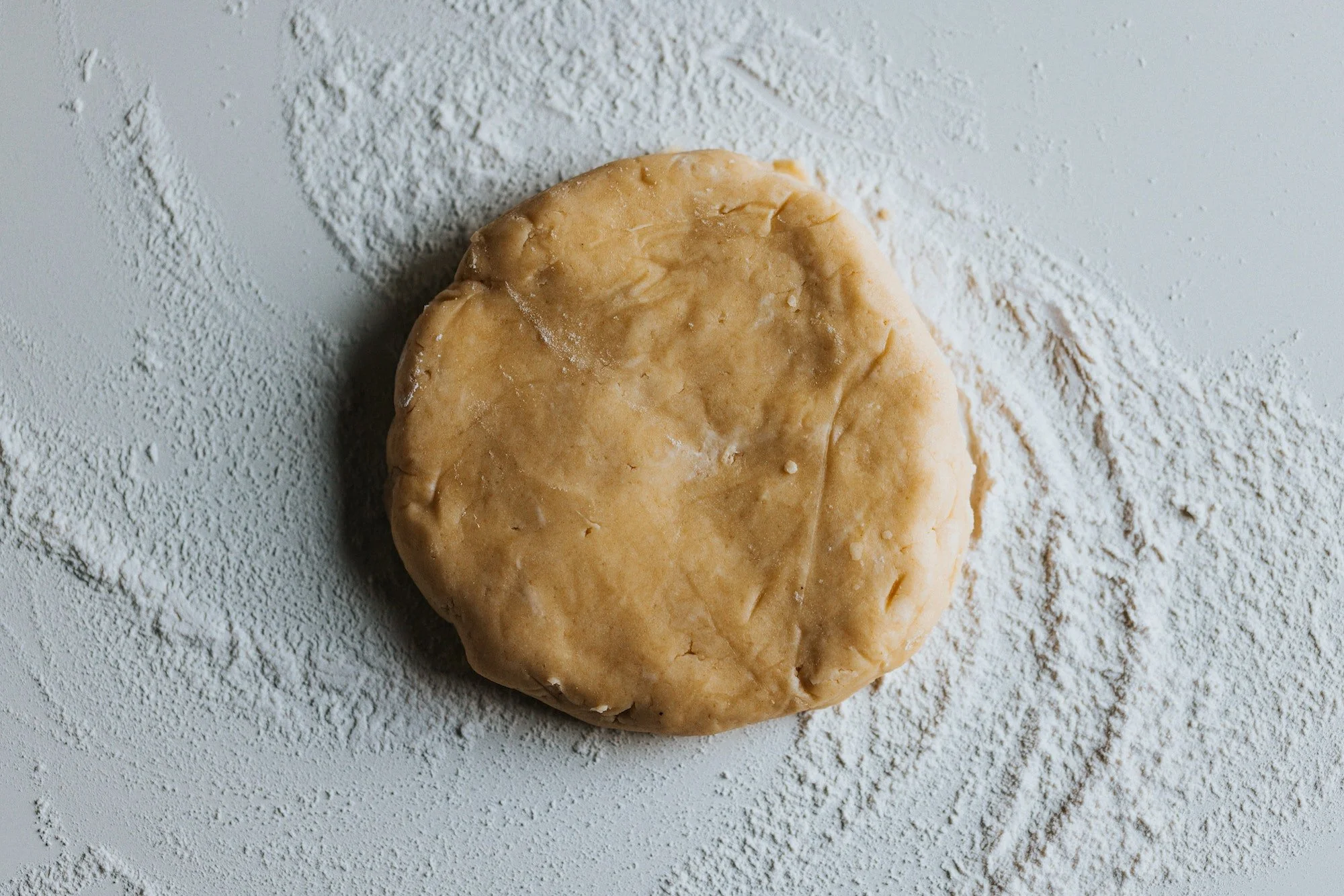
Make a Personal Pie (Chart)
Easy, fun, fast, and strangely enlightening—this week’s slow and simple tip is to make a personal pie chart. Start with your most recent days off. Think about all the ways you spent your time. What got the biggest slice of your time pie? It might be sleep or work or spring cleaning.

March 14, 2020
“Feminism has never been about getting a job for one woman. It’s about making life more fair for women everywhere. It’s not about a piece of the existing pie; there’s too many of us for that. It’s about baking a new pie. ”
Keep is slow and simple with… a personal pie (chart)
Easy, fun, fast, and strangely enlightening—this week’s slow and simple tip is to make a personal pie chart. Start with your most recent days off. Think about all the ways you spent your time. What got the biggest slice of your time pie? It might be sleep or work or spring cleaning. Did you read or hike or play games? Or maybe you threw on an audiobook and spent hours making focaccia with roasted potatoes, a lemony herbed ricotta, and yes—pie. (OK, that was me.)
Draw out your slices and have a look. What do you notice? Is it 30 percent sleep? A little (or a lot) more or less? What percent fun and joy? Which slices would you want to make bigger, and which would you want to shrink? Or should you channel Gloria Steinem and bake a whole new pie?
You can make a pie chart to think through all sorts of things. Chart your trash, your music playlists, or all the ways you unwind. If you need some pie-spiration, check out these charts by Ann Friedman.
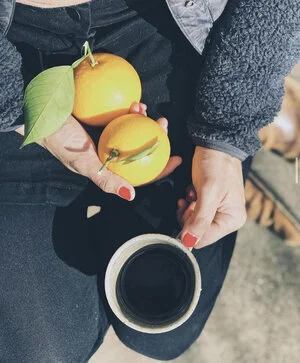
Keep a (Food) Scrapbook
So many onions get peeled around here. Garlic and broccoli stems too. Then there’s carrot tops and bits of herb we snip but do not use. These beauties can have a second life. There’s compost or stock—two classic ways to preserve food, save money and use less packaging. But what other hidden potential lives in your refrigerator or pantry?

February 28, 2021
“When you realize the value of all life, you dwell less on what is past and concentrate more on the preservation of the future. ”
Keep is slow and simple… Keep a (food) scrapbook
So many onions get peeled around here. Garlic and broccoli stems too. Then there’s carrot tops and bits of herb we snip but do not use. These beauties can have a second life. There’s compost or stock—two classic ways to preserve food, save money and use less packaging. But what other hidden potential lives in your refrigerator or pantry?
Consider starting a book of scraps—a little notebook (or chalkboard or digital note) where you pause to list the food scraps your home produces. Keep your book for a week or a month or a year. Then start Googling. What can you do with the tops of green onions or the peel of a baked potato? How can you reuse beans leftover from last night’s meal or the final piece of bread in a loaf?
When you take the time to make note of what you toss, you might find yourself with croutons, pesto, candied orange peel, or fresh green onions grown from last month’s ends. Or maybe you’ll find yourself sketching apple cores or photographing the dust left by sunflower seeds. A new slow hobby is a magical thing to find in your food. Whatever your scrapbook reveals, enjoy the process.

Imagine It Gone
Many have proposed this thought experiment. Rachel Carson, author of Silent Spring, asks us to consider how we would feel seeing a forest or river for the first time. How would we respond if we knew they wouldn’t be around tomorrow? To image it gone is to ask whether or not we valued or needed it.

February 28, 2021
“One way to open your eyes is to ask yourself, “What if I had never seen this before? What if I knew I would never see it again?””
Keep it slow and simple…image it gone
Many have proposed this thought experiment. Rachel Carson, author of Silent Spring, asks us to consider how we would feel seeing a forest or river for the first time. How would we respond if we knew they wouldn’t be around tomorrow? To image it gone is to ask whether or not we valued or needed it.
David Graeber asks the same question about jobs. Consider a profession and imagine it gone. What effect would it have? You’ll likely come to very different conclusions when considering a world without teachers or nurses or builders than a world with no account specialists or fund managers.
Author Alan Weisman wrote a whole book about what would happen to the human-built world if humans disappeared. And Michael Pollan suggests a variation on the theme, asking if our great grandparents would recognize certain food products as food.
To imagine things gone can do more than underline our values. The experiment can also rewire us around the manmade items in our lives that seem inevitable, but aren’t. It works with the small and the large—from tin cans to homes.
But let’s start small. Below, we ask you to consider the humble milk carton. They’re everywhere. But what if they weren’t?
Send Little Love Letters
Words spoken can melt in the air. Written, they live on. What a pure delight to give and receive words of love, affirmation, and care.

February 14, 2021
“Your word travels the entirety of space and reaches my cells which are my stars then goes to yours which are my light. ”
Keep it slow and simple with…little love letters
Words spoken can melt in the air. Written, they live on. What a pure delight to give and receive words of love, affirmation, and care.
You don’t need fancy stationary or even a stamp to send living words to your beloveds. Slip a postcard under a friend’s door. Fold a heart-shaped slip of paper into a door jamb. Declare your love on post-it notes stuck all around the house. Send a surprise text listing all the ways someone makes you smile. Send a video homage to your bestie or a photo of a special memory.
Little love notes are simple and sincere. They bring joy and help sustain your loves, friendships, and community connections. And if you’re at a loss for words of your own, borrow some from the poets.
See Care Everywhere
When so much news seems bad for so long, it’s easy to see the world as dark and chaotic. But care persists. In fact, it’s everywhere. Today’s simple practice is to notice care as you go about your routines.

January 17, 2021
“We must rapidly begin the shift from a thing-oriented society to a person-oriented society.”
Keep it slow and simple… see care everywhere
When so much news seems bad for so long, it’s easy to see the world as dark and chaotic. But care persists. In fact, it’s everywhere. Today’s simple practice is to notice care as you go about your routines.
Our new blog (check it out below) asks this question: “What would change about modern life if we organized our economy around care?” To answer that question, we might start by looking for the care that surrounds everyday. Some jobs have “care” in the title, like daycare workers and healthcare workers. But care is far broader. If you look, you’ll definitely find it.
You’ll see care work in teachers, sanitation workers, farmers and grocery providers. You’ll see it in nurses and mail carriers and coworkers and neighbors. Musicians, artisans, bakers, and makers—carers all. Look for it, and you’ll find you’re richer for it. Happy hunting.
Kitchen Meditations
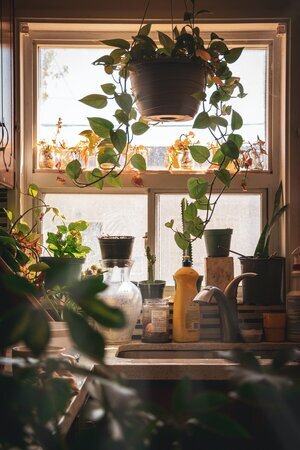
Do your thoughts wander? Do you fidget much? Is your day or your house or your mind usually busy, even when you’re sitting still? It may be that mindfulness is most useful for those who find it the hardest to quiet themselves.

January 3, 2021
“And now let us believe in a long year that is given to us, new, untouched, full of things that have never been. ”
Keep it slow and simple with… kitchen meditations
Do your thoughts wander? Do you fidget much? Is your day or your house or your mind usually busy, even when you’re sitting still? It may be that mindfulness is most useful for those who find it the hardest to quiet themselves.
If this sounds like you, I invite you to head to your kitchen. There, your daily tea or coffee or breakfast extend an invitation of their own. They invite you to notice them, to give a few moments of undivided attention.
That cup of tea? Take it a step at a time. What color is your kettle? What shape? What is the sound your stovetop makes as you turn it on? What tea leaves will you choose and how do they smell when you first open the package? Notice the steam as you pour the water and the warmth of the cup when you pick it up. Take that first sip slowly. Taste it fully. Anchor yourself to the experience until the tide of your day pulls you on.
That’s a slow, simple kitchen meditation. And if it inspires you to linger a moment longer to crush a few whole spices or zest a little lemon, may the rewards linger long after the last sip.
Mise En Place
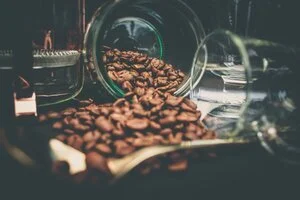
If you could measure your life in its tiniest actions, what would it add up to? Hundreds of miles of writing, thousands of scoops of coffee and walks through aisles of produce, millions and millions of steps. Every day, you make the coffee, walk the dog, prepare the meal, write the list, clean it up, mess it up, repeat.

Mise en place
December 20, 2020
“beauty is twice
beauty
and what is good is doubly
good
when it is a matter of two socks
made of wool
in winter.”
Keep it slow and simple with… mise en place
If you could measure your life in its tiniest actions, what would it add up to? Hundreds of miles of writing, thousands of scoops of coffee and walks through aisles of produce, millions and millions of steps. Every day, you make the coffee, walk the dog, prepare the meal, write the list, clean it up, mess it up, repeat.
We are all intimately familiar with the minutiae of our days. It’s surprising really how often we find ourselves unprepared for it—suddenly out of coffee on a tired morning or in the middle of a two-egg recipe when you only have one.
The Set Up - You may know the term mise en place from cooking. It’s a French phrase that means to get set up. For cooks, it means prepping your ingredients before you begin cooking and arranging them close at hand.
And it works brilliantly for so many other things. You can arrange a writing box with a pen, stationary and stamps and set yourself up to send letters when you have a few moments—the ingredients are close at hand. Or create a music playlist especially for your morning walk and have your earbuds, shoes and hat ready to go in a basket.
Use mise en place with your bath routine, your morning tea, your lunch, your reading nook, your sewing or painting or woodworking. And yes...prep your recipes. I know you think you have vanilla, but you’re out. Trust me.