Your simple guide to a lower-waste summer
As we roll into July, summer goes into full effect. It’s the season of road trips, beach days, pool hangs and picnics.
And that means?
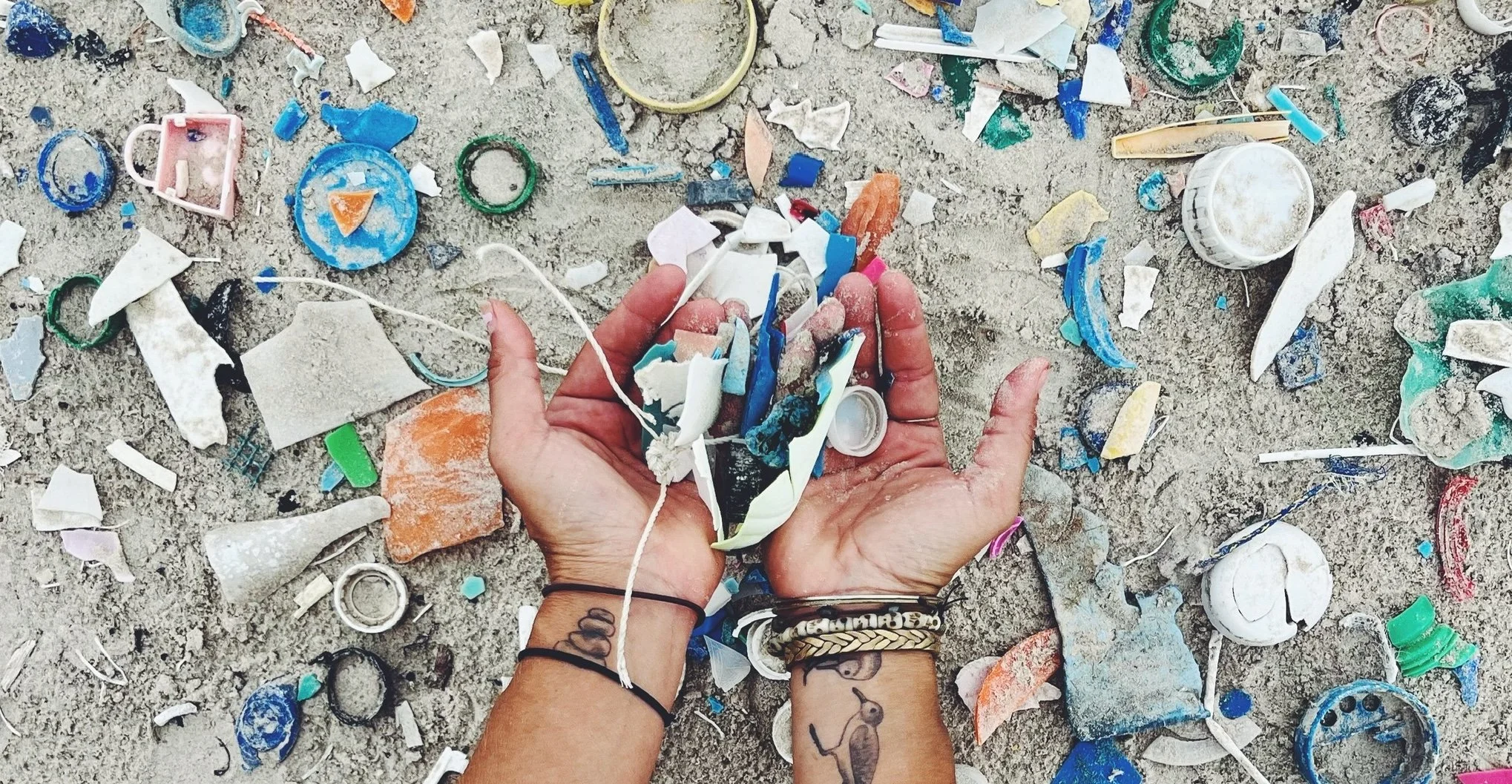
Fun, yes! But also—trash. Summer can be the season of all things prepacked, perishable, single use, and disposable. From toss-away drink containers and food packaging to plastic utensils and leftover food—we throw away more food and food-related packaging in the summer than the rest of the year.
It doesn’t have to be that way. We can keep the fun while reducing the waste with a bit of preplanning and smart swaps.
Start with food waste
While there’s no definitive data on summer food waste, several studies suggest we waste 25-30% more food in the summer than other times of the year.
The reason is likely two-fold. First, the summer is a season of abundant, perishable fruit. We see piles of ripe berries and peaches and buy more than we can eat up quickly. Add to that the long stream of summer picnics and pool parties and potlucks, with more food than people can consume, and food waste seems inevitable.
A few ways to reduce food waste:
Plan your party menu. Have you ever been to a camp trip or lake party where you signed up beforehand to bring a snack or provide one of the meals? This strategy not only helps ensure there’s enough food and drink for everyone, it also helps prevent an overabundance of one or two categories of food. And most people will take their own leftovers back home.
Plan for leftovers. Ask guests to bring containers to take leftovers, or have some extra beeswax wraps, mason jars, or deli containers to send with folks.
Berries past their prime? Freeze them! When the first berry starts to turn, eat the rest right away or toss them in the freezer, chopped or whole. Use the frozen berries in sorbet or smoothies, or thaw them later for compote or baked goods.
Supplement travel food with nonperishables. For camping and other outdoor adventures, supplement your fresh foods with food you can bring back home if you don’t use—oatmeal packs (or muesli!), dried fruit, roasted seeds and nuts, and jerky are all tasty and long-lasting. If you’re camping, canned soups, beans and fruit work great, too!
Compost food waste. Waste is inevitable sometimes. If you can, carry waste back with you to compost it later.
Be mindful of plastics
Related to food waste is food and beverage packaging in addition to throwaway plates, cups and utensils. Relatively speaking, widespread, mass produced plastic waste is a modern phenomenon and relatievly recent on the world stage. But it has grown to seem inevitable.
Now, not only does trash fill up garbage cans and litter beaches, parks and forests, plastics gather in large “trash vortexes” in oceans and nearly invisible beads of microplastic release chemicals into the very cells of our bodies.
We know we can’t eliminate plastic entirely, and some plastics are important and lifesaving. For everything else we must re-examine our relationship to plastic.
Easy-ish: Avoid throwaway utensils and cups
Reusable water bottles and water filling stations are everywhere these days making it easier to avoid single-use water bottles when possible.
Along with that beverage bottle, you can also bring along reusable utensils and napkins. Wrap a simple, reusable utensil set in a cloth napkin and toss it into your usual summer bag. You’ll be ready to eat or drink without throwaway utensils and cups.
Just like your water bottle, remember to take them out and wash them regularly!
For parties, consider making big batches of lemonade, cold brewed coffee, or punch that people can poor themselves instead of supplying single-use beverages. And use reusable picnic dishes if you can.
Harder: Minimize plastic food packaging waste
It feels impossible to imagine a road trip or picnic without plastic food packaging. And we’re not here to suggest 100% elimination (we don’t!). But can we minimize the plastic packaging? A few ways to minimize food packaging for summer picnics and travel:
Pre-portion snacks. Whether it’s trail mix, chips or crackers, you can minimize but not eliminate plastic packaging by buying full-sized items and pre-portioning them into silicone or beeswax snack bags at home.
Pack sandwiches. The classic p,b,&j is healthy, economical and requires no refrigeration. And it tastes like heaven after a long hike or swim. Swap in different nut and seed butters, or try out any number of cold sandwiches you can make at home and take with.
Bring loose produce. Peaches, nectarines and bananas all have their own handy packaging and don’t require plastic bags or special containers. Carrots and cucumbers make tasty snacks and can be tossed loose in a reusable bag.
Consider canned. Canned food not only stays fresh and avoids food waste, cans are far more recyclable than plastics. Look for pop-top cans or make sure to bring a can opener!
Want to use less plastic all year around? Read our article “Is plastic-free possible?”
From inconvenience to habit
There’s no sugarcoating it—a less-waste summer requires work just when we’re trying to relax and have fun. Whenever I think about the “inconvenience” of preplanning and pre-portioning, I remind myself that it wasn’t really a choice for people until about 75 years ago.
Well into the 1970s, if you wanted to camp or picnic, you mostly had to make food at home or find a local diner where you were far less likely to encounter plastic utensils and cups. And yet people still camped and picnicked and went to the beach.
We’ve grown so accustomed to our conveniences that they begin to feel inevitable when what they are is habit.
Our lives have accelerated and our habits have followed suit. But a world with less trash is possible. It’s a habit worth changing, bit by bit.